One of the most frustrating experiences in transport is watching vehicles move every day while financial pressure keeps increasing.
Trips are happening.
Drivers are working.
Fuel is being purchased.
Customers are moving.
Yet available cash never seems to accumulate.
For many operators this becomes emotionally exhausting because activity creates the expectation of progress.
When movement is visible but results feel invisible, people start questioning effort instead of structure.
The reality is often more complex.
Transport businesses are highly exposed to liquidity pressure.
Vehicles create revenue but they also create continuous obligations.
Fuel must be purchased before income is realised.
Maintenance cannot be postponed indefinitely.
Insurance arrives whether business was strong or weak.
Repayments remain fixed while income remains variable.
This creates a dangerous illusion.
Operators begin assuming that more trips automatically solve pressure.
Sometimes more activity increases financial stress if margins remain unchanged.
More movement can mean more fuel.
More maintenance.
More wear.
More operating cost.
Without stronger liquidity planning, growth becomes expensive.
Many operators therefore experience a common pattern.
Vehicles operate continuously but working capital remains weak.
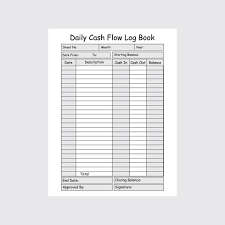
Cash collected today immediately leaves for fuel, repairs and commitments.
The business survives but stops building reserves.
Unexpected repairs become emergencies instead of manageable events.
Opportunity begins disappearing quietly.
Routes are avoided because fuel becomes expensive.
Additional vehicles are postponed.
Maintenance gets delayed.
Driver performance becomes inconsistent.
Business owners begin financing operations from personal income.
Pressure becomes normal.
One hidden challenge is repayment timing.
Transport income often fluctuates.
But many obligations remain fixed.
This mismatch creates stress even in businesses generating reasonable revenue.
Operators then react by borrowing repeatedly or extending obligations without reviewing structure.
That creates movement without progress.
Liquidity intelligence asks different questions.
How much of gross collections remain after operating expenses?
How much downtime can the business survive?
What happens if fuel prices shift?
Can repayments survive a weak month?
Would restructuring create breathing room?
Would reducing expensive obligations unlock working capital?
Could existing vehicles generate more efficiently?
The strongest transport businesses are not always the biggest fleets.
Often they are the operators with stronger cash discipline.
Transport is not only a vehicle business.
It is a timing business.
Vehicles move.
Cash must move better.
Growth becomes sustainable when operating activity translates into retained liquidity.
Nexelium KE believes transport operators should evaluate structure before pressure becomes visible.
Because the objective is not keeping vehicles busy.
The objective is building a transport operation that remains profitable, flexible and capable of expanding.
When vehicles continue working but money does not, the business deserves a financial review.