
Tourism remains one of Kenya's most important economic sectors, supporting thousands of businesses that rely on visitor activity and travel demand.
Despite positive long-term growth prospects, many tour operators continue to face significant cash-flow challenges arising from seasonal revenue fluctuations and rising operating expenses.
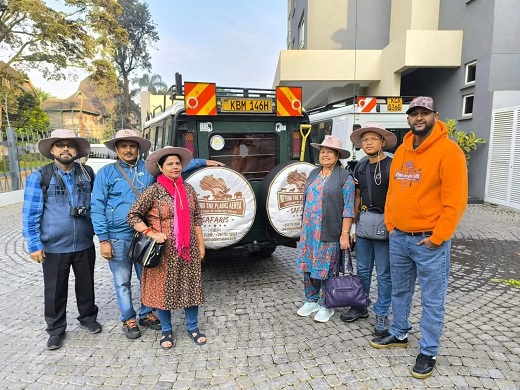
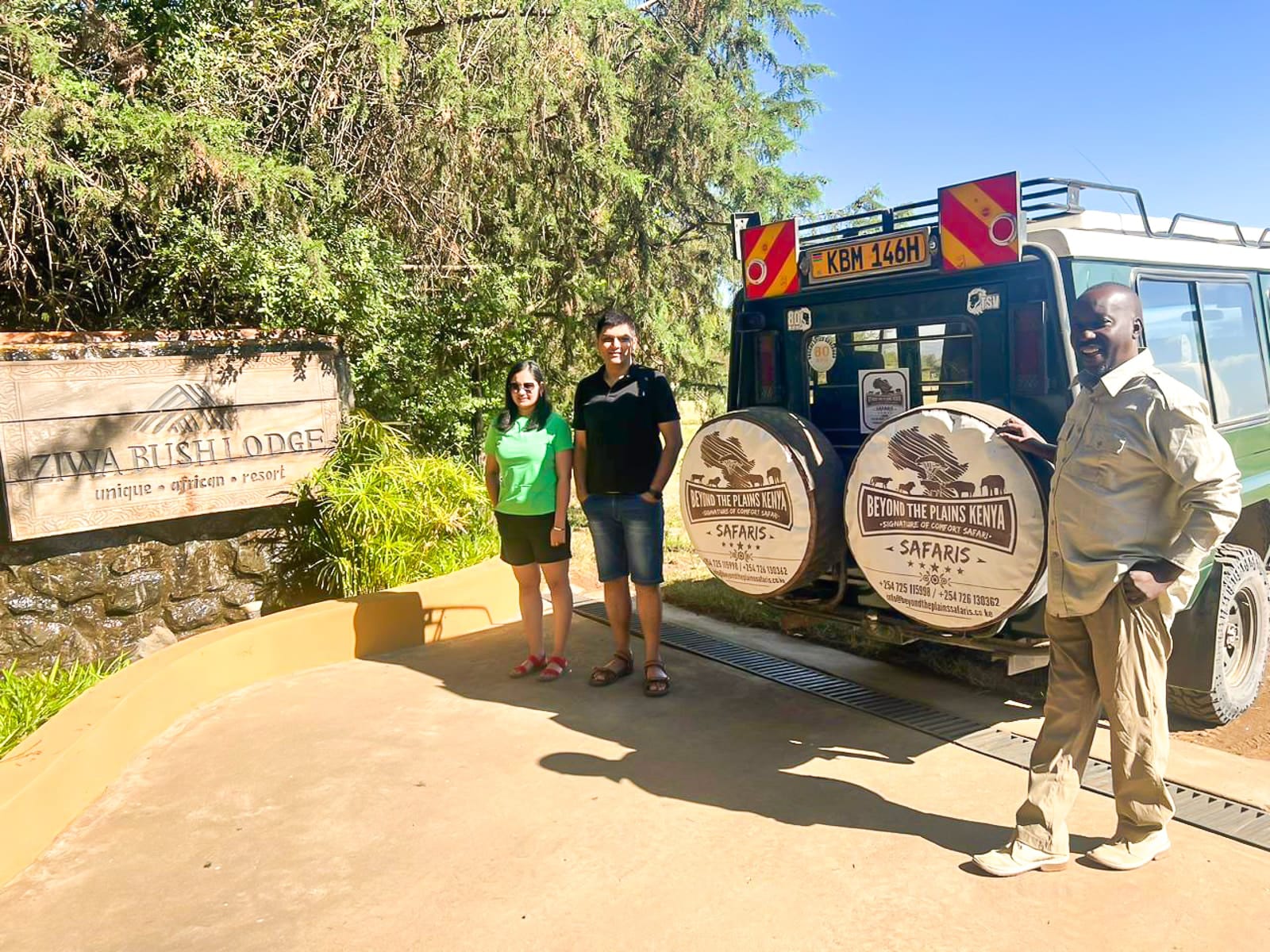
Safari vehicles, tour vans and transport fleets require continuous investment in fuel, servicing, insurance, licensing and routine maintenance regardless of booking levels.
Many tourism businesses experience periods where operational costs continue rising while customer payments remain delayed or bookings decline temporarily.
Market observations indicate that liquidity pressure is particularly common among operators managing multiple vehicles or servicing existing asset-finance obligations.
Revenue generated during peak tourism periods is often required to sustain operations during slower months, creating ongoing working-capital demands.
Unexpected vehicle repairs, regulatory costs and economic disruptions can further strain cash reserves and reduce operational flexibility.
Businesses facing temporary liquidity constraints increasingly seek financing solutions that allow them to unlock capital without disposing of productive assets.
Asset-backed financing continues to provide a practical source of working capital for operators seeking to maintain service quality and operational continuity.
Effective liquidity management remains a critical factor in helping tourism businesses withstand seasonal challenges and position themselves for long-term growth.